
We've covered a lot of ground in this seven-part series , from basic definitions and approval processes to utility connections and parking requirements. Now it's time to pull it all together with the practical tips that'll make your ADU project successful and help you avoid the pitfalls that trip up many homeowners.
After working with countless California homeowners on ADU projects, we've seen what works and what doesn't. The good news? Most mistakes are completely avoidable when you know what to watch for.
Your ADU Success Roadmap: Top Tips That Actually Matter
Start with pre-approved plans , seriously, this isn't optional anymore. California now requires every city and county to maintain a library of pre-approved ADU designs. Using these plans isn't just recommended , it's your fast track to approval. Applications using pre-approved plans must be approved or denied within just 30 days, compared to potentially months for custom designs.
"The biggest game-changer I've seen is homeowners who embrace the pre-approved plans. What used to take six months now takes six weeks. It's not about limiting creativity , it's about getting your ADU built faster and cheaper," says Mike from Farris General Contracting.
You'll still need to ensure the plan works with your specific lot and local zoning requirements, but the architectural heavy lifting is already done. Think of it as choosing from a curated menu rather than designing your meal from scratch.
Forget the old owner-occupancy rules. This is probably the most misunderstood change in California's updated laws. You do not need to live in either the main house or the ADU. Period. This opens up incredible flexibility , you can rent out both units, use the ADU as a home office while living in the main house, or any combination that works for your situation.
Don't worry about replacing parking , if it's uncovered. Here's where many homeowners get confused. If you're removing uncovered off-street parking spaces to build your ADU, you don't need to replace them. The key word is "uncovered." Covered parking (like a garage) may still need replacement, depending on your local requirements.
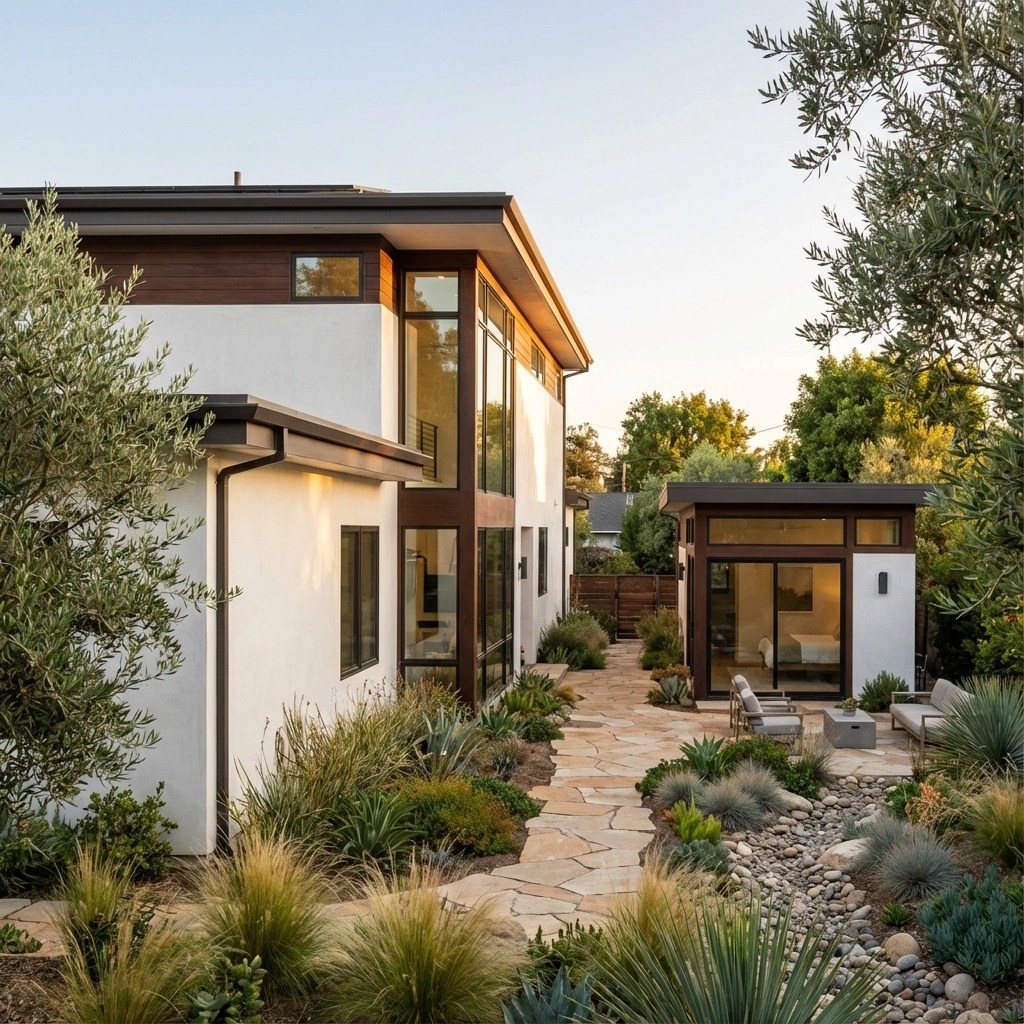
Know your rights when dealing with cities. California law is crystal clear: local agencies cannot impose requirements that are more restrictive than state ADU law. If your city is trying to block a project that complies with state regulations, you have grounds to challenge their decision. Don't let local bureaucracy derail a legally compliant project.
Take advantage of the amnesty program. If you have an unpermitted ADU built before January 1, 2020, California has essentially given you a get-out-of-jail-free card. Local agencies cannot deny permits for these structures unless there's a genuine safety hazard. Even better , cities can't charge impact fees or connection fees if no new utility connections are required.
The Mistakes That Cost Time and Money
Mistake #1: Skipping the homework phase. Don't dive into construction without understanding your specific local requirements. While California law sets the baseline, cities can still have guidelines for setbacks, height limits, and design standards , they just can't be more restrictive than state minimums.
Mistake #2: Assuming you need an expensive architect for everything. With pre-approved plans available, many homeowners are spending thousands unnecessarily on custom designs. Save the architect fees for truly unique situations or significant modifications.
Mistake #3: Not tracking application timelines. Cities have strict deadlines , 15 business days to determine if your application is complete, then specific approval timeframes based on your project type. If they're dragging their feet, call them on it. You have legal backing.
Mistake #4: Building without permits, thinking you can legalize later. While the amnesty program exists for pre-2020 unpermitted ADUs, building without permits today is still risky. The amnesty window won't stay open forever, and unpermitted construction can complicate insurance and resale issues.

Mistake #5: Not considering utility capacity upfront. Before you fall in love with a specific ADU design, verify your existing utilities can handle the additional load. Electric panel upgrades, water line capacity, and sewer connections can add significant costs if not planned properly.
Mistake #6: Ignoring coastal zone requirements. If you're in California's Coastal Zone, different rules may apply. The good news is recent changes have streamlined the process, but don't assume standard ADU rules apply everywhere.
"The homeowners who succeed are the ones who treat their ADU project like a business plan. They research, they plan, they understand the rules, and they don't rush into construction. It's not just about building a structure , it's about adding value to your property the right way," notes Mike.
Quick Recap: The Most Important Takeaways from Our Series
Let's review the crucial points that'll make or break your ADU project:
Legal Framework: ADUs are now a by-right use in most residential zones. Cities can't just say no because they don't like ADUs.
Size and Design: You can build up to 1,200 square feet without worrying about setback requirements in most cases. Attached ADUs can be even larger.
Approval Process: Pre-approved plans = 30-day approval. Custom plans = longer timeline but still subject to legal shot clocks.
Parking: Generally not required for ADUs near transit or in historic districts. Replacement only needed for covered parking removal.
Utilities: No impact fees for most ADUs under 750 square feet. Existing connections often sufficient for smaller units.
Financing: Multiple options available, from traditional loans to specialized ADU financing products.
Timeline: From permit to move-in typically ranges from 6-12 months, depending on complexity and local efficiency.
Your Next Steps
The most successful ADU projects start with three simple actions: research your local requirements, choose from pre-approved plans, and work with contractors who understand California's updated laws.
Don't let analysis paralysis stop you from moving forward. California has removed most of the major barriers that previously made ADU construction complicated and expensive. The question isn't whether you can build an ADU : it's whether you're ready to take advantage of this opportunity to add value to your property and help address California's housing shortage.

The housing crisis isn't going away, but your ability to be part of the solution while building wealth through real estate has never been clearer or more legally protected. Whether you're looking to house family, generate rental income, or create a home office, California's ADU laws have opened doors that were previously locked tight.
Start with your city's pre-approved plan library, understand your lot's specific requirements, and remember : the state of California is on your side. These laws were designed to make ADU construction easier, not harder. Take advantage of them.
Your ADU journey starts with a single step: understanding what's possible on your property. With the right knowledge and approach, that extra dwelling unit could be adding value to your property and rental income to your bank account sooner than you think.