
If you're a Long Beach homeowner wondering how to maximize your property's potential while contributing to California's housing crisis solution, you've probably heard whispers about ADUs. But what exactly is the Long Beach ADU program, and could it transform your property : and your financial future?
Accessory Dwelling Units, commonly called ADUs or "granny flats," represent one of the most significant housing innovations to hit California in decades. Long Beach has embraced this movement with open arms, creating a streamlined program that makes it easier than ever for homeowners like you to add additional living spaces to your property.
What Exactly Is an ADU?
Think of an ADU as a complete, independent living space that shares your lot with your primary home. These aren't just converted garages or basement apartments : we're talking about fully functional homes with their own kitchen, bathroom, sleeping area, and separate entrance.
Your ADU could be a cozy 400-square-foot studio perfect for a young professional, or a spacious 1,200-square-foot two-bedroom unit that houses a growing family. The beauty lies in the flexibility : you design it to meet your specific needs and goals.
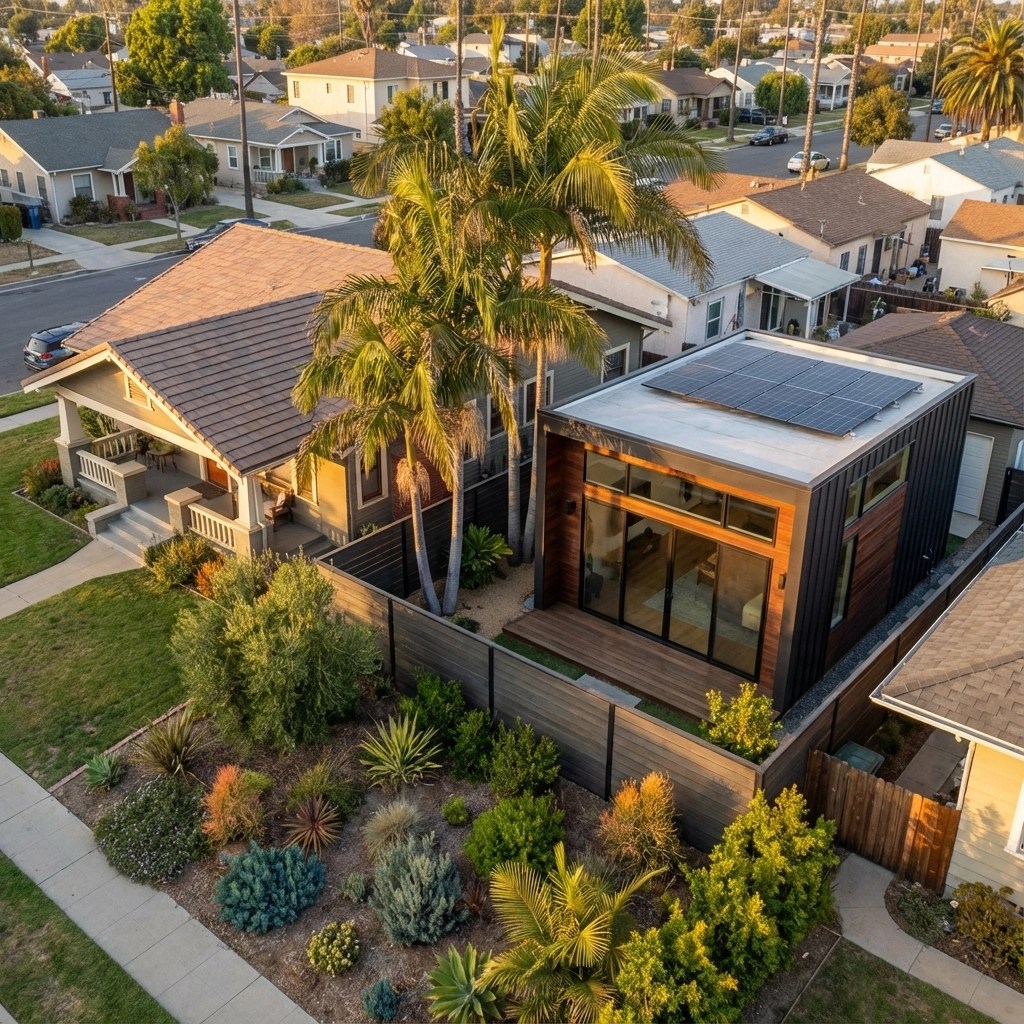
Long Beach's program allows you to build multiple types of ADUs on a single property, giving you unprecedented control over your property's development potential. Whether you're looking to house aging parents, create rental income, or provide affordable housing for your community, ADUs offer a path forward.
Who Is This Program Designed For?
The Long Beach ADU program isn't just for real estate investors or wealthy property owners : it's designed with everyday homeowners in mind. You might be surprised to discover that your property already qualifies, regardless of its size.
Multi-Generational Families represent one of the largest groups benefiting from ADU construction. If you're caring for aging parents who want independence while staying close, or if your adult children need affordable housing while building their careers, an ADU provides the perfect solution.
Homeowners Seeking Additional Income find ADUs particularly attractive in Long Beach's competitive rental market. Your new ADU could generate $1,500 to $3,000 monthly in rental income, depending on size and location : income that could cover your mortgage payment or fund your retirement.
Property Owners Committed to Community Solutions appreciate how ADUs address Long Beach's housing shortage while maintaining neighborhood character. You're not just improving your property; you're contributing to your community's wellbeing.
"We've seen incredible enthusiasm from Long Beach homeowners who never thought they could afford to expand their properties. The ADU program opens doors that seemed permanently closed just a few years ago," says Mike from Farris General Contracting.
The Financial Benefits Are Real
Let's talk numbers : because the financial advantages of Long Beach's ADU program extend far beyond simple rental income.
Property Value Increases typically range from $80,000 to $200,000 when you add a well-designed ADU to your Long Beach property. This isn't just speculation : real estate professionals consistently report significant value jumps for properties with permitted ADUs.
Rental Income Potential in Long Beach's market means your ADU could generate substantial monthly returns. Conservative estimates suggest you'll see annual rental income between $18,000 and $36,000, depending on your ADU's size and amenities.
Tax Advantages make ADU development even more attractive. You can depreciate your ADU as a rental property, deduct construction loan interest, and potentially qualify for additional tax benefits related to housing development.
Financing Flexibility has improved dramatically as lenders recognize ADUs' value. Many Long Beach homeowners use their existing home equity to finance ADU construction, then refinance once the project adds value to their property.
What Makes Long Beach Special?
Long Beach has positioned itself as one of California's most ADU-friendly cities, and the reasons go beyond simple regulatory compliance.
No Minimum Lot Size Requirements mean your property qualifies regardless of its dimensions. Whether you own a compact beach cottage or a sprawling suburban lot, you can likely build an ADU.
Streamlined Permitting Process reduces the typical bureaucratic headaches associated with construction projects. Long Beach's Development Permit Center serves as your single point of contact, and the city commits to reviewing your application within 60 days.
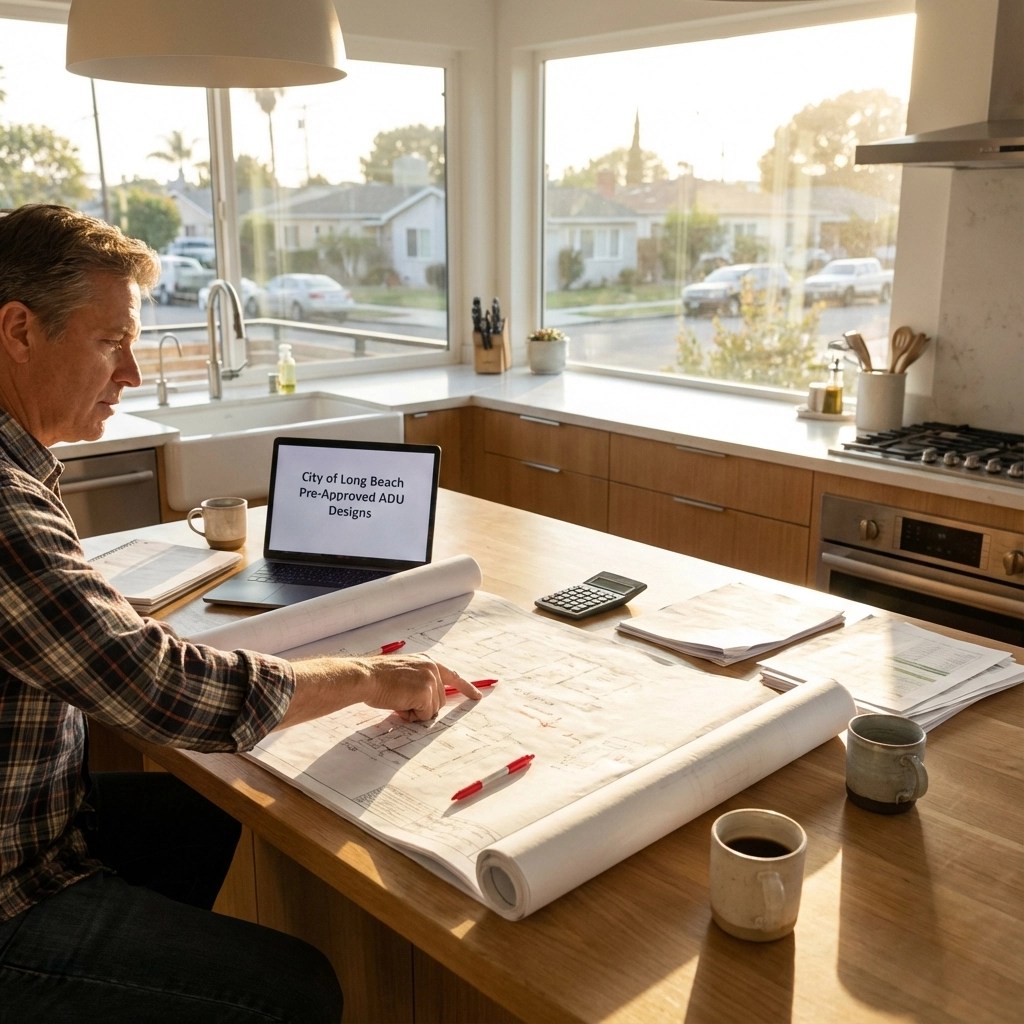
Pre-Approved Plan Program sets Long Beach apart from other California cities. Instead of spending months and thousands of dollars on custom architectural plans, you can select from a library of pre-approved designs that have already passed city review.
Multiple ADU Types Allowed give you unprecedented flexibility. You can build an attached ADU, a detached ADU, and a Junior ADU all on the same property : potentially adding three new dwelling units to your lot.
Financial Assistance Programs help homeowners navigate the costs associated with ADU development. The city actively promotes grants and assistance programs that make ADU construction accessible to more residents.
"Long Beach gets it : they understand that ADUs solve real problems for real families. The city has removed barriers instead of creating them, and that makes all the difference for homeowners ready to move forward," explains Mike from Farris General Contracting.
Your Property Probably Qualifies
Here's what might surprise you most about Long Beach's ADU program : eligibility requirements are remarkably inclusive.
Zoning Flexibility means ADUs work on almost any residential or mixed-use property. Whether you live in a single-family neighborhood, own a duplex, or have property in a mixed-use zone, you can likely build an ADU.
Property Size Doesn't Matter because Long Beach eliminated minimum lot size restrictions. Your compact urban lot has the same ADU opportunities as larger suburban properties.
Existing Structure Requirements are minimal : you simply need an existing or proposed primary residence on your property. This could be a single-family home, duplex, triplex, or apartment building.
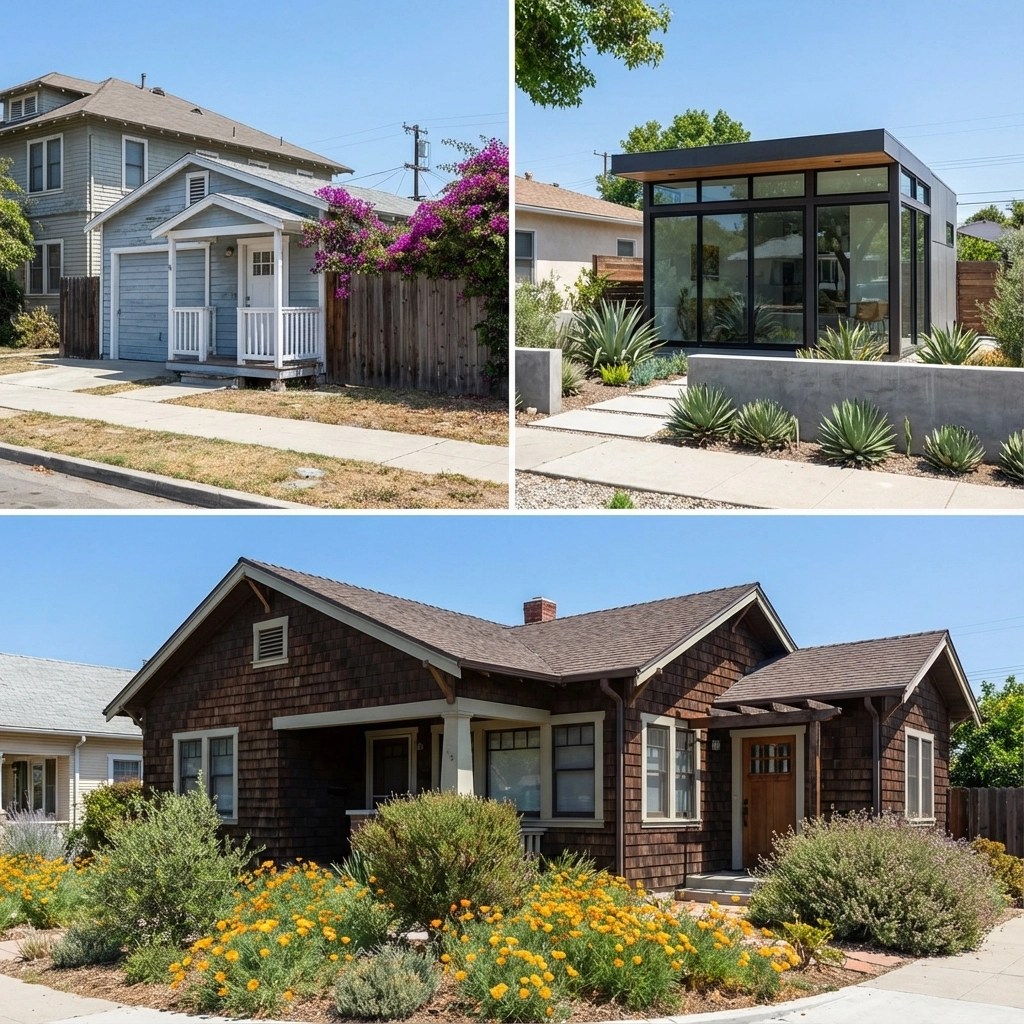
Special Considerations apply in Historic Districts and Coastal Zones, but these areas aren't excluded from the program. You'll need additional permits, but ADU development remains possible with proper planning.
What's Coming in This Series
Over the next four parts of this series, we'll dive deep into everything you need to know about successfully navigating Long Beach's ADU program.
Part 2 will explore the specific types of ADUs you can build, including detailed comparisons between attached ADUs, detached ADUs, and Junior ADUs. You'll learn which option best fits your property and goals.
Part 3 focuses on the design and permitting process, walking you through Long Beach's requirements, timeline expectations, and how to avoid common pitfalls that delay projects.
Part 4 covers financing options, construction considerations, and how to maximize your return on investment throughout the ADU development process.
Part 5 will address rental management, legal requirements, and long-term strategies for maximizing your ADU's benefits for years to come.
Your Long Beach property holds untapped potential that ADU development can unlock. Whether you're motivated by financial opportunity, family needs, or community contribution, the Long Beach ADU program provides a clear path forward.
The question isn't whether ADUs make sense for Long Beach homeowners : it's whether you're ready to explore what's possible for your specific property and situation.